-

Here is the central paradox of American healthcare. We spend nearly twice as much per person as any other developed country. We have the most advanced hospitals, the most innovative drugs, the most sophisticated medical technology on earth. And yet the average American dies younger than the average person in Canada, the UK, Germany, France,…
-

Imagine a tube of toothpaste. Countries with national healthcare systems — Canada, the UK, Germany, France, Japan — have clamped one end of the tube. They exercise price controls or negotiate aggressively as unified national buyers. Pharmaceutical costs in those countries are suppressed. Physics is physics. All that pressure has to go somewhere. It goes…
-

Before you can fix a machine, you need to understand how it runs. And the American healthcare system — the largest, most expensive, most complicated healthcare machine ever built — is one that almost nobody, including most of the people working inside it, truly understands end to end. This series is an attempt to change…
-

AI and the Future of Southern Oregon Medicine, Part 3 of 3 When AI augmentation arrives in Southern Oregon healthcare — and it will arrive, because it is already arriving at every major medical center in the country — there are two versions of what that looks like for a working family in Medford or…
-

Why collective action could stabilize premiums and strengthen regional coverage—and what participation requires Executive Summary Southern Oregon employers face a quantifiable crisis: health insurance costs increased 23% between 2023 and 2025, outpacing both revenue growth and wage increases across most sectors. For a 50-employee firm, this translates to approximately $140,000 in additional annual costs—money that…
-
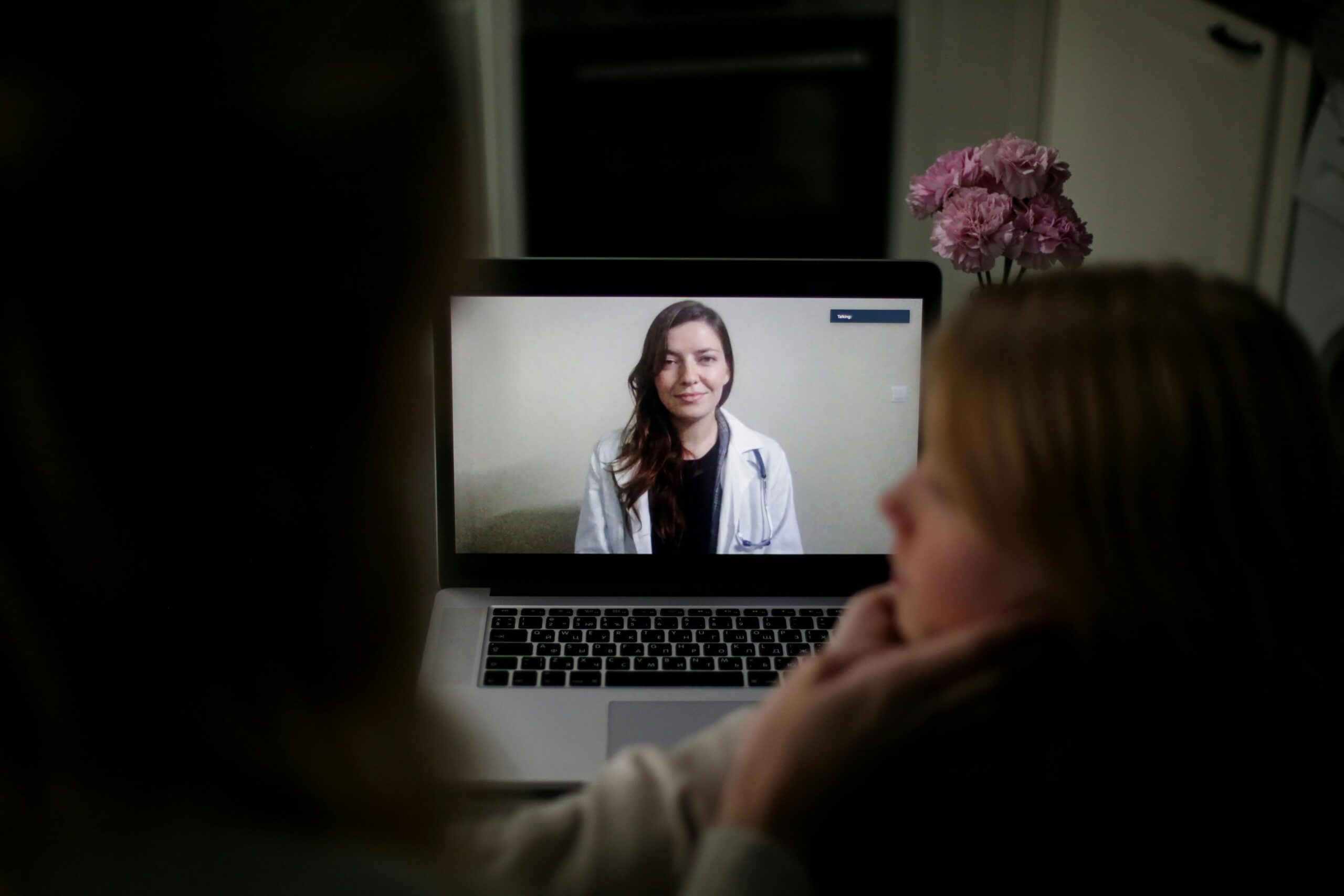
AI and the Future of Southern Oregon Medicine, Part 2 of 3 Start with the arithmetic. You live in Medford. You work. You have insurance — maybe through your employer, maybe through the marketplace, maybe through AllCare or Jackson Care Connect if your income qualifies. You notice something that needs medical attention. Not an emergency,…
-

AI and the Future of Southern Oregon Medicine, Part 1 of 3 There is a version of the Southern Oregon provider shortage story that is told as a local problem. Rural geography. Housing costs. Wildfire risk. The difficulty of recruiting physicians to a region without a major academic medical center. These factors are real, and…
-

This article stands on its own, but readers interested in its practical implications for Southern Oregon’s healthcare system may find the three-part series on the Southern Oregon Community Purchasing Alliance — also published by ReImagine Healthcare — a useful companion. Something happened to us during the pandemic that we have not fully reckoned with. Not…
-

Part Three of a Three-Part Series This series makes the case for a Southern Oregon Community Purchasing Alliance. ReImagine Healthcare is a research and advocacy organization. We do not have the organizational infrastructure to build or operate what we are describing. We are making this case publicly because we believe the right people to convene…
-

How well-intentioned Direct Primary Care adoption can destabilize insurance markets—and how coordinated integration can strengthen both access and affordability Executive Summary Direct Primary Care (DPC) is expanding rapidly across Southern Oregon. At least 8 DPC practices now operate in Jackson and Josephine counties, up from 2 in 2021. An estimated 340-420 Southern Oregon employers are…